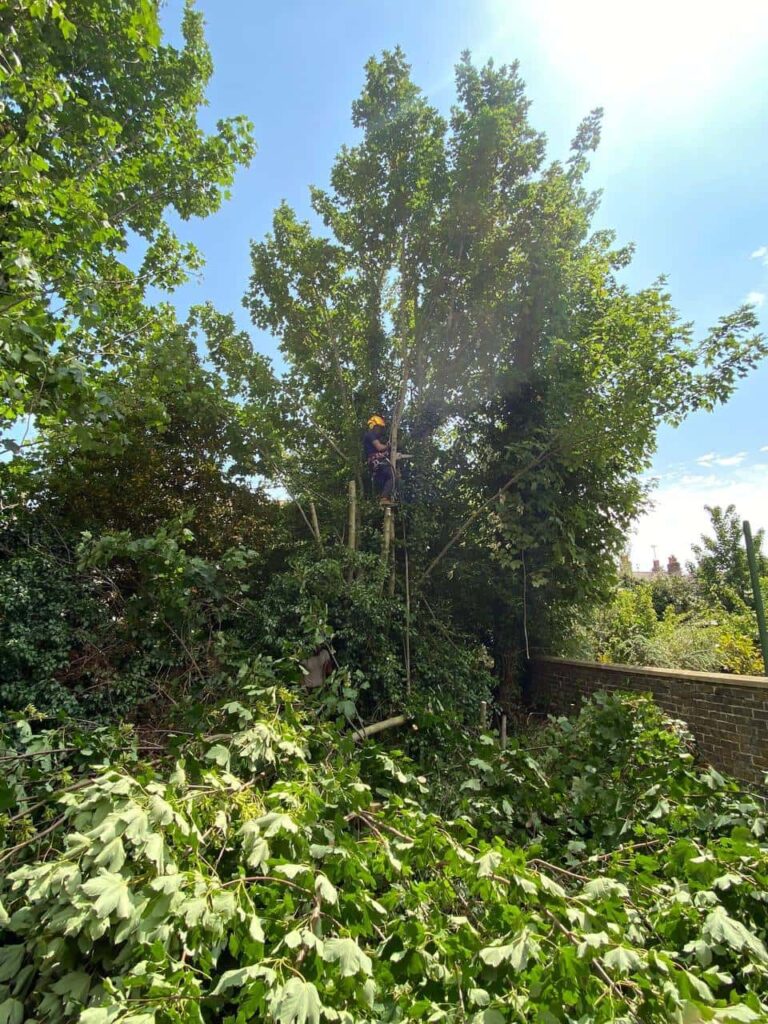
Trees bring character, shade and natural beauty to a garden, but they need appropriate care to remain healthy and grow in a manageable way. Over time, branches can become overgrown, deadwood may accumulate and trees can develop structural problems that affect their condition and surroundings. Professional tree surgery helps address these issues while supporting healthy growth and keeping outdoor spaces well maintained.
For homeowners in Bury St Edmunds, Suffolk, regular tree care can make a significant difference to the appearance, safety and long-term condition of a garden. Bury St Edmunds Tree Surgeons provides tree surgery services designed to manage overgrowth, maintain tree health and help property owners care for their outdoor spaces.
What Is Tree Surgery and Why Is It Important?
Tree surgery involves specialist work to maintain, manage or remove trees when necessary. The appropriate service depends on the tree species, its age, its condition and the space available for healthy growth.
Correctly carried out tree work can improve a tree’s structure, remove damaged branches and reduce potential hazards. It can also help prevent branches from interfering with buildings, pathways and other features within a garden.
Rather than treating every tree in the same way, a professional tree surgeon assesses its individual needs and recommends suitable work. This helps preserve trees where possible while addressing problems that could affect their health or surroundings.
Essential Tree Surgery Services for Your Garden
Different trees require different levels of care. Understanding the main services available can help you identify what may be appropriate for your garden in Bury St Edmunds.
Tree Pruning and Trimming
Pruning involves selectively removing branches to improve a tree’s structure, manage its growth or address damaged sections. Trimming can help keep branches from becoming intrusive and maintain a more balanced appearance.
The aim is not simply to remove as much growth as possible. Excessive or poorly timed pruning can place unnecessary stress on a tree, so the work should be planned according to its species, condition and growth pattern.
Professional pruning can help remove problematic branches while retaining the healthy growth needed for the tree to develop properly.
Crown Reduction
When a tree has grown too large for its surroundings, crown reduction may help manage its overall size. This involves carefully reducing the height or spread of the crown while maintaining its natural shape and structure.
Crown reduction can be useful where branches extend too close to buildings, obstruct parts of a garden or create an unbalanced appearance. The work must be carried out selectively to avoid unnecessary damage and preserve the tree’s long-term health.
A tree surgeon can assess whether crown reduction is suitable or whether another form of maintenance would be more appropriate.
Deadwood Removal
Deadwood can develop naturally as trees age, but dead or damaged branches may become unstable and fall. This can be a concern where people regularly use the garden or where branches extend above paths, seating areas and other frequently occupied spaces.
Deadwood removal involves identifying and removing appropriate dead or damaged branches. It can improve the tree’s condition and help reduce the risk associated with falling material.
Regular assessment is particularly useful for mature trees, where damage or deterioration may not be obvious from ground level.
Tree Felling and Removal
Sometimes a tree cannot be retained safely or is no longer suitable for its location. Serious structural damage, extensive deterioration or significant interference with the surrounding space may make removal the most appropriate option.
Tree felling requires careful planning, particularly in gardens with fences, sheds, neighbouring structures or limited access. A professional tree surgeon can assess the tree, consider the surrounding environment and determine a suitable method of removal.
Where possible, retaining a healthy tree may be preferable, so the decision should be based on its condition and the practical circumstances of the site.
Stump Grinding and Removal
After a tree has been felled, the remaining stump can take up useful garden space and make mowing or landscaping more difficult. Stumps may also create trip hazards or produce unwanted regrowth, depending on the tree species.
Stump grinding reduces the remaining stump below ground level, helping make the area more practical for future use. The best approach depends on the stump’s size, position and the intended use of the space.
Signs Your Trees May Need Professional Attention
Recognising early warning signs can help you arrange an assessment before a problem becomes more serious. Look for:
- Dead, broken or hanging branches.
- Cracks or splits in the trunk or major limbs.
- Noticeable changes in the tree’s lean.
- Branches touching buildings or obstructing access.
- Unusual thinning, discoloured leaves or visible signs of deterioration.
- Excessive growth that affects the balance or usability of the garden.
These signs do not always mean a tree needs extensive work or removal. A professional assessment can help establish the cause of the problem and identify the most appropriate course of action.
Maintaining Healthy Trees Throughout the Year
Tree care is most effective when it forms part of an ongoing garden maintenance routine. Periodic inspections help identify developing problems, while appropriate pruning can prevent unwanted growth from becoming difficult to manage.
It is also important to consider the space around each tree. Avoid damaging roots through unnecessary digging or heavy activity near the trunk, and pay attention to changes in soil conditions that may affect the tree’s stability or growth.
Different species have different maintenance requirements, so pruning schedules should be based on the tree rather than a fixed annual routine. A professional tree surgeon can advise on suitable timing and recommend work that supports healthy development.
Choosing Professional Tree Surgeons in Bury St Edmunds
Tree surgery often involves working at height, handling heavy branches and using specialist equipment. Professional knowledge is essential for carrying out this work safely and making appropriate decisions about the tree’s condition.
Bury St Edmunds Tree Surgeons can help homeowners identify the tree care services suited to their gardens, whether the priority is routine pruning, crown reduction, deadwood removal or more extensive tree work. A considered approach helps maintain the appearance of the garden while supporting the health and condition of the trees.
Conclusion
Healthy, well-maintained trees can enhance a garden for many years, but they need appropriate attention as they grow and change. Services such as pruning, crown reduction, deadwood removal and stump grinding help manage common tree care problems and keep outdoor spaces practical and attractive.
If your trees are overgrown, showing signs of damage or simply need professional maintenance, contact Bury St Edmunds Tree Surgeons to discuss your requirements. A suitable tree care plan can help keep your garden in Bury St Edmunds, Suffolk, looking its best while supporting the long-term health of your trees.
Call us on: 01284 339 498
Click here to find out more about Bury St Edmunds Tree Surgeons
Click here to complete our contact form and see how we can help with your tree needs.